Heritage Building Work in London
Manor House Restoration and Commercial Building Restoration
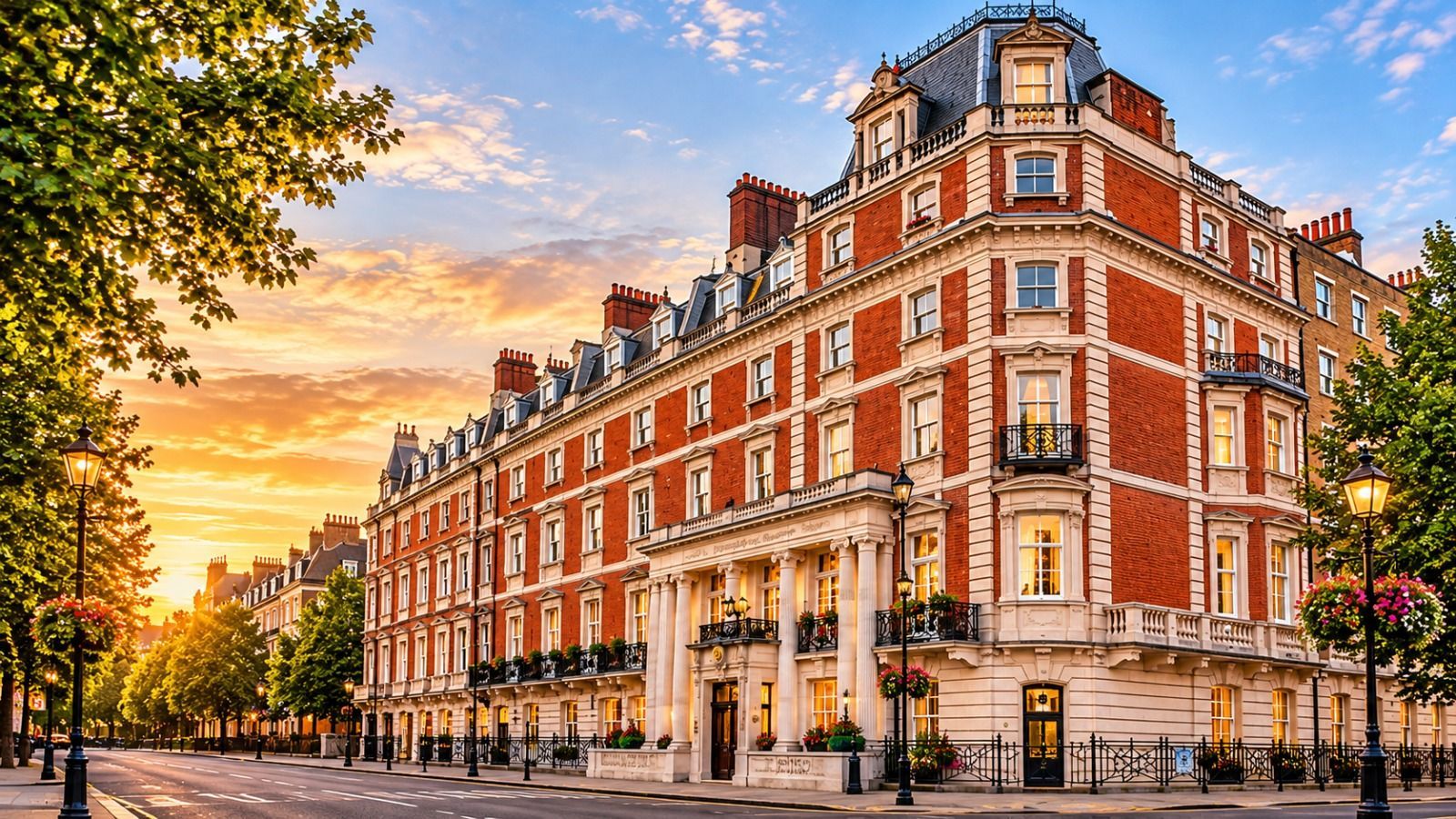
Heritage building work in London covers the careful repair, restoration and adaptation of manor houses, period homes, listed buildings and historic commercial properties. Whether the project involves restoring a Grade II listed manor house or converting a former warehouse into modern offices, the aim is to protect historic character while making the building safe, functional and suitable for contemporary use.historicengland.org
What heritage building work involves
Heritage building work is more than general refurbishment. It requires an understanding of traditional construction, historic materials, conservation principles and the UK planning system.
Common heritage works include:
- Roof, chimney, gutter and rainwater-system repairs
- Stone, brick, flint, render and terracotta conservation
- Lime rendering, lime plastering and breathable finishes
- Timber-frame, structural timber and joinery repairs
- Sash window, door, staircase and panelling restoration
- Damp diagnosis and sympathetic moisture management
- Extensions, conversions and internal reconfigurations
- Energy-efficiency improvements and retrofit works
The guiding principle is to retain as much original fabric as possible. Repairs should use compatible materials and traditional techniques rather than replacing sound historic features unnecessarily.
Manor house restoration
Manor houses often have complex histories. Many combine medieval, Tudor, Georgian, Victorian and later features, alongside alterations made over several centuries. This makes them particularly sensitive to unsuitable modern materials, poor ventilation and poorly planned extensions.
A manor house restoration project may include:
- Repairing roofs, chimneys, parapets and rainwater goods
- Conserving stonework, brickwork, timber framing and plasterwork
- Restoring sash windows, shutters, doors, staircases and panelling
- Improving insulation, heating, ventilation and services without damaging historic fabric
- Designing extensions that respect the scale, setting and character of the original house
Historic buildings were designed to breathe. Lime mortar, lime plaster, timber, stone and brick allow moisture to move through the fabric. Using hard cement renders, non-breathable paints or inappropriate sealants can trap moisture and cause long-term damage.
Commercial building restoration
Commercial heritage projects bring historic offices, warehouses, banks, hotels, department stores, retail units and civic buildings back into productive use. In London, many of these buildings are listed or located in conservation areas, making conservation-led design especially important.
A former warehouse, for example, may retain its brick façade, cast-iron columns and timber floors while receiving new lifts, services, fire safety measures and office fit-outs. This approach preserves the building’s identity while making it commercially viable.
Listed Building Consent
Most work that affects the special architectural or historic interest of a listed building requires Listed Building Consent. This applies to internal and external alterations, extensions, demolition, window replacement, changes to staircases and certain service installations.
Listed Building Consent is separate from planning permission. Some projects may require both, particularly where an extension, change of use or major external alteration is proposed.
Minor repairs using matching materials and traditional techniques may not require consent. However, owners should always check with their local planning authority or Conservation Officer before starting work. Carrying out unauthorised work to a listed building is a criminal offence.
Retrofitting historic buildings
Many owners want to improve energy efficiency without harming the character of their property. Retrofitting a manor house, listed building or historic commercial property needs a careful, fabric-first approach.
Suitable measures may include repairing draughty sash windows before considering secondary glazing, improving roof insulation where appropriate, upgrading heating controls, improving ventilation and using breathable insulation where it will not harm historic fabric. Historic England advises that changes affecting historic windows or other significant features may require Listed Building Consent and/or planning permission.
Working with heritage specialists
Heritage projects require a specialist team. Depending on the scale and complexity of the works, this may include a conservation architect, heritage consultant, structural engineer, services consultant, fire engineer, planning consultant and experienced main contractor.
Early engagement with the local authority Conservation Officer can save time and reduce the risk of refused applications. For larger projects, a heritage architect may prepare a heritage statement, historic building assessment and heritage impact assessment. Historic England notes that detailed historical and architectural surveys may be needed before planning or Listed Building Consent applications are submitted.
When appointing a heritage architect or contractor, look for direct experience with listed buildings, manor houses, conservation areas and commercial heritage schemes. Ask for examples of completed projects, references and evidence of successful Listed Building Consent applications.
Why heritage work matters
Manor houses and historic commercial buildings are irreplaceable. Poor repairs, incompatible materials and unsympathetic alterations can permanently damage their significance and reduce their long-term value.
Good heritage work preserves the building’s story, protects original craftsmanship and ensures it can continue to be used for future generations. Done properly, it combines conservation with practical modern living and commercial use—without compromising the character that makes the property special.
Recent Posts